Is It Safe to Go to Turkey for Dental Work? Complete 2026 Safety Guide, Risks & Expert Tips
Quick Answer: Is Turkey Safe for Dental Work? {#quick-answer}
Yes, getting dental work in Turkey is safe — if you choose the right clinic. Turkey is home to hundreds of internationally accredited dental clinics that meet or exceed European and American standards. However, like any medical tourism destination, safety depends entirely on your clinic selection and preparation.
The key to a safe dental experience in Turkey lies in:
- ✅ Choosing a Ministry of Health-licensed clinic
- ✅ Verifying dentist credentials and specializations
- ✅ Confirming sterilization protocols and international accreditations
- ✅ Reading verified patient reviews on independent platforms
- ✅ Understanding your treatment plan before traveling
Important: While Turkey offers world-class dental care at 60-70% lower costs than the UK or USA, choosing the cheapest option without research is the biggest risk factor. Learn what can go wrong with Turkey teeth before making your decision.
Why Turkey Became a Dental Tourism Hub {#why-turkey}
Turkey has transformed into one of the world’s leading destinations for dental tourism, attracting over 150,000 international dental patients annually. Several structural advantages make Turkey uniquely positioned for safe, affordable dental care:
Government Support for Medical Tourism
The Turkish government actively promotes medical tourism through:
- Tax incentives for clinics serving international patients
- Simplified visa processes for medical tourists
- Airport medical tourism desks in major cities
- Quality certification programs (TURQUALITY, HealthTürkiye)
World-Class Dental Education
Turkish dentists undergo rigorous training:
- 5 years of dental school (equivalent to UK/EU standards)
- Mandatory internship before independent practice
- Continuing education requirements through the Turkish Dental Association
- Many specialists train internationally in Germany, UK, USA
Advanced Technology & Infrastructure
Top Turkish clinics invest heavily in modern equipment:
- 3D CBCT scanning for precise diagnostics
- Digital smile design (DSD) software
- CAD/CAM same-day crown technology
- Guided implant surgery systems
- Laser dentistry for minimally invasive procedures
Economic Advantages
Lower operational costs allow premium care at accessible prices:
- Clinic rent: 60-70% lower than London/New York
- Staff salaries: Competitive but lower than Western markets
- Currency exchange: GBP/USD/EUR stretch 3-4x further in Turkey
Related: Discover why dental treatments are so affordable in Turkey without compromising quality.
Understanding Turkish Dental Safety Standards {#safety-standards}
Regulatory Framework
Dental clinics in Turkey operate under strict oversight:
Table
| Regulatory Body | Responsibility |
|---|---|
| Turkish Ministry of Health | Licenses clinics, conducts inspections, enforces hygiene standards |
| Turkish Dental Association (TDB) | Professional standards, ethics, continuing education |
| International Accreditations | JCI (Joint Commission International), ISO 9001, ISO 13485 |
Sterilization Protocols
Reputable clinics follow international sterilization standards:
- Autoclave sterilization for all instruments (121°C/134°C)
- Single-use disposable tools where applicable
- Barrier protection (gloves, masks, eye protection)
- Surface disinfection between patients
- Waterline sterilization for dental units
- Waste management per WHO guidelines
Material Quality Standards
Top clinics use the same premium materials as Western clinics:
- Implants: Straumann (Switzerland), Nobel Biocare (Sweden), Osstem (Korea)
- Ceramics: Ivoclar Vivadent e.max, Zirconia from verified manufacturers
- Cements: 3M ESPE, Ivoclar Multilink
- Composites: 3M Filtek, Ivoclar Tetric
Warning: Some budget clinics use unbranded or counterfeit materials. Always ask for material certificates. Learn how to choose a safe dental clinic in Turkey to verify authenticity.
7 Key Safety Factors to Verify Before Booking {#safety-factors}
1. Clinic Licensing & Accreditation
What to check:
- ✅ Ministry of Health registration number (verify online)
- ✅ JCI accreditation (gold standard for international patients)
- ✅ ISO certifications (9001 for quality, 13485 for medical devices)
- ✅ Membership in international dental associations (ITI, ICOI, AACD)
How to verify:
- Search the Turkish Ministry of Health database
- Check JCI’s accredited organization list
- Request certification documents directly from the clinic
2. Dentist Qualifications & Experience
Red flags to avoid:
- ❌ General dentists performing complex implant surgery
- ❌ No verifiable university credentials
- ❌ Less than 5 years of experience for complex procedures
- ❌ No specialization certificates for advanced treatments
What to demand:
- ✅ University degree verification
- ✅ Specialization certificates (implantology, prosthodontics, cosmetic dentistry)
- ✅ Portfolio of before/after cases similar to yours
- ✅ International conference participation or publications
3. Technology & Diagnostic Capabilities
Essential technology for safe treatment:
- 3D CBCT scanner (not just 2D X-rays) — critical for implant planning
- Digital intraoral scanners (no messy impressions)
- CAD/CAM milling machines for same-day restorations
- Dental microscopes for precision work
- Laser equipment for gum contouring
Related: See our guide on dental implants in Turkey for technology requirements specific to implant procedures.
4. Treatment Planning Transparency
A safe clinic provides:
- ✅ Written treatment plan with detailed procedures
- ✅ Itemized cost breakdown (no hidden fees)
- ✅ Realistic timeline (not rushed 3-day full mouth makeovers)
- ✅ Explanation of risks and alternatives
- ✅ Informed consent forms in your language
Warning signs:
- ❌ Vague treatment descriptions
- ❌ Pressure to book immediately
- ❌ “One price fits all” packages without examination
- ❌ No discussion of potential complications
5. Communication & Language Support
Essential for safe treatment:
- ✅ Fluent English-speaking dentists or dedicated coordinators
- ✅ Written aftercare instructions in your language
- ✅ 24/7 emergency contact availability
- ✅ Video consultation capability before travel
- ✅ Clear explanation of all procedures and medications
6. Aftercare & Warranty Policies
What reputable clinics offer:
- ✅ Written warranty for implants (5-10 years typical)
- ✅ Warranty for crowns/veneers (2-5 years)
- ✅ Remote consultation support after returning home
- ✅ Partnership with local dentists in your country for emergencies
- ✅ Clear revision policy if results are unsatisfactory
Important: Understand how long Turkish dental work lasts and what affects longevity.
7. Patient Reviews & Independent Verification
Where to check reviews:
- Google Reviews (look for detailed, verified reviews)
- Trustpilot (independent platform)
- RealSelf (medical tourism focused)
- Dental tourism forums (WhatClinic, DentalDepartures)
Red flags in reviews:
- ❌ Only 5-star reviews with no detail (possibly filtered)
- ❌ No mention of dentist names
- ❌ No before/after photos from real patients
- ❌ Complaints about hidden costs or rushed treatment
Common Risks & How to Avoid Them {#risks}
Risk 1: Aggressive Tooth Preparation
The problem: Some clinics remove excessive tooth structure (60-70% of natural tooth) to fit crowns quickly.
Consequences:
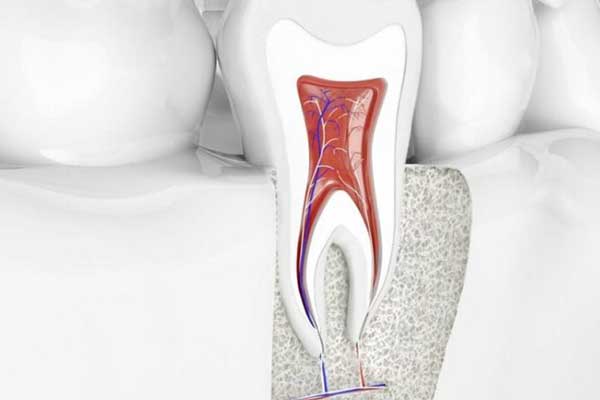
- Nerve exposure requiring root canals
- Irreversible tooth sensitivity
- Increased fracture risk
- Need for future extractions
How to avoid:
- Demand conservative preparation techniques
- Ask exactly how much enamel will be removed
- Choose minimal-prep veneers when possible
- Read our detailed guide on what can go wrong with Turkey teeth
Risk 2: Infection from Poor Sterilization
The problem: Substandard hygiene practices in unregulated clinics.
Consequences:
- Localized abscesses
- Spread to jawbone or bloodstream
- Potential sepsis in severe cases
How to avoid:
- Verify autoclave sterilization protocols
- Check for single-use instrument policies
- Look for JCI or ISO accreditation
- Observe clinic cleanliness during consultation
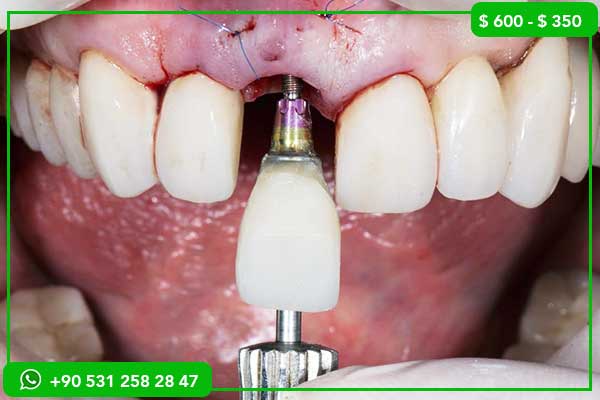
Risk 3: Implant Failure
The problem: Poor surgical technique or low-quality implants.
Consequences:
- Implant rejection
- Bone loss
- Need for costly revision surgery
How to avoid:
- Verify implant brand (Straumann, Nobel Biocare)
- Ensure 3D CBCT planning before surgery
- Check surgeon’s implantology certification
- Follow all aftercare instructions
Related: Compare dental implant costs in Turkey vs worldwide and understand what affects pricing.
Risk 4: Aesthetic Disasters
The problem: Poorly designed restorations that look obviously artificial.
Common complaints:
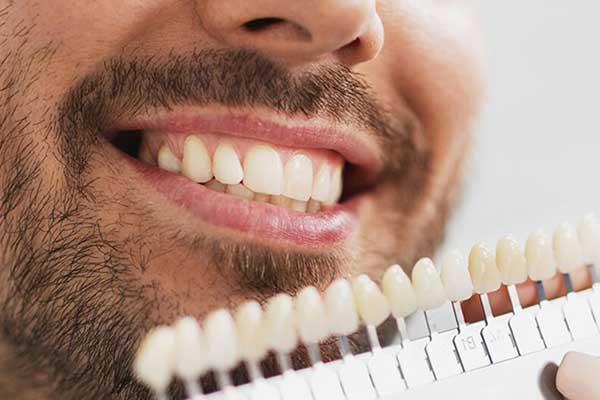
- “Toilet bowl white” BL1 shade
- “Chiclet” uniform shapes
- Wrong proportions for facial features
- No natural translucency
How to avoid:
- Demand digital smile design preview
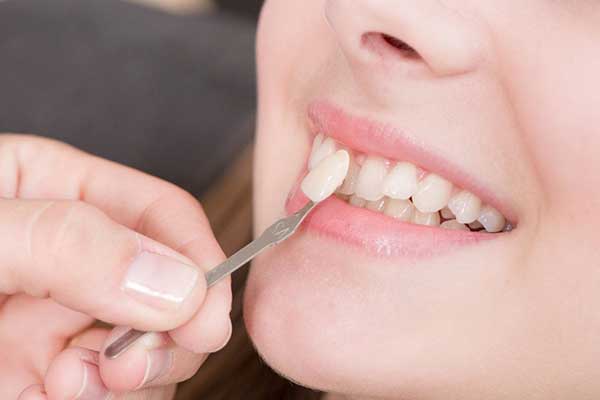
- Request natural shade selection (B1 or A1 instead of BL1)
- Ask for characterization and translucency
- See our guide: Do Turkey teeth look fake?
Risk 5: Inadequate Follow-Up Care
The problem: Complications arise after returning home with no local support.
Consequences:
- Untreated complications worsening
- Difficulty finding local dentist willing to treat foreign work
- Emergency treatment costs exceeding original savings
How to avoid:
- Plan 7-10 day stay for proper follow-up
- Get written aftercare instructions
- Establish emergency contact with clinic
- Inform your local dentist before traveling
- Consider travel insurance covering dental complications
Cost vs Safety: Finding the Balance {#cost-vs-safety}
Realistic Price Expectations (2026)
Table
| Procedure | Turkey (Average) | UK (Average) | USA (Average) | Red Flag Price in Turkey |
|---|---|---|---|---|
| Single Implant | £400-£800 | £1,500-£3,000 | $3,000-$6,000 | Under £300 |
| Veneer (per tooth) | £200-£400 | £600-£1,000 | $900-$2,500 | Under £150 |
| Full Mouth Crowns (20) | £3,200-£6,000 | £15,000-£30,000 | $20,000-$60,000 | Under £2,000 |
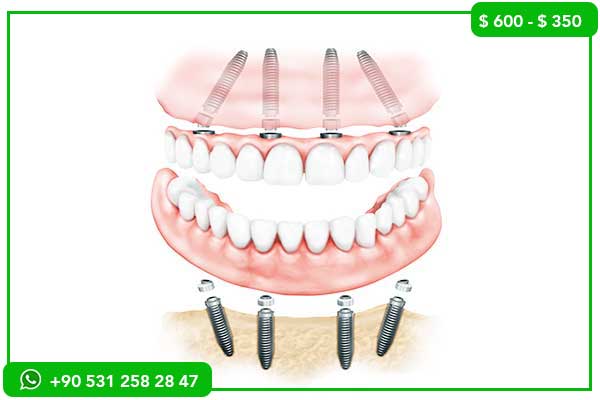
| All-on-4 Implants | £3,000-£6,000 | £12,000-£20,000 | $20,000-$45,000 | Under £2,500 |
Critical insight: Prices 50-70% below these averages often indicate compromised quality, rushed work, or hidden costs. Learn why teeth are so cheap in Turkey without sacrificing safety.
The True Cost of “Cheap” Dental Work
Case Study: The Hidden Cost of Bargain Treatment
Table
| Cost Factor | Budget Clinic | Reputable Clinic |
|---|---|---|
| Initial treatment | £2,500 | £5,000 |
| Corrective work (UK) | £8,000-£15,000 | £0 |
| Travel for revisions | £800-£1,500 | £0 |
| Lost work/time | £2,000+ | £0 |
| Total actual cost | £13,300-£18,500 | £5,000 |
Lesson: The “cheapest” option often becomes the most expensive.
Real Patient Experiences & Reviews {#patient-experiences}
Success Story: Sarah from Manchester
“I researched for 3 months before choosing my clinic. I checked JCI accreditation, read 50+ Google reviews, and had two video consultations. My full mouth zirconia crowns cost £4,800 — a fraction of the £25,000 UK quote. Three years later, they’re perfect. The key was not rushing my decision.”
Cautionary Tale: James from London
“I booked the cheapest package I found online — £2,200 for 20 crowns. They were placed in 4 days with no proper consultation. Within 6 months, I had severe pain, gum disease, and 3 teeth needed root canals. Fixing the damage cost £12,000 back home. I wish I’d read what can go wrong with Turkey teeth first.”
Key Takeaways from Patient Feedback
- ⭐ Patients who researched thoroughly had 95%+ satisfaction
- ⭐ Those choosing solely on price had 40% complication rate
- ⭐ 7-10 day stays allowed proper adjustments and follow-up
- ⭐ Clinics with JCI accreditation received consistently positive reviews
Red Flags: Clinics to Avoid {#red-flags}
Absolute Deal-Breakers
🚩 No verifiable Ministry of Health license
🚩 Refuses to provide dentist credentials
🚩 No JCI, ISO, or international accreditation
🚩 Prices 70%+ below market average
🚩 Promises full mouth work in under 5 days
🚩 No written treatment plan before payment
🚩 Only accepts cash or wire transfer (no credit cards)
🚩 No physical address or virtual consultations
🚩 Reviews only on their website (not independent platforms)
🚩 Pressures immediate booking with “limited time offers”
Suspicious Marketing Tactics
- “Perfect Hollywood smile in 1 day!”
- “100% painless guaranteed!”
- “Lifetime warranty with no conditions!”
- “50% off this week only!”
- “Celebrity dentist” claims without verification
Step-by-Step Safety Checklist {#checklist}
Before You Book
- [ ] Verify clinic’s Ministry of Health registration
- [ ] Check JCI or ISO accreditation
- [ ] Research dentist qualifications (university, specialization, experience)
- [ ] Read 20+ independent reviews (Google, Trustpilot)
- [ ] Request video consultation with the actual dentist
- [ ] Get detailed written treatment plan and cost breakdown
- [ ] Verify implant/crown brand and request certificates
- [ ] Confirm warranty terms in writing
- [ ] Check if clinic has English-speaking coordinator
- [ ] Ask about emergency contact availability
Before You Travel
- [ ] Inform your local dentist of your plans
- [ ] Get dental check-up and X-rays at home
- [ ] Purchase travel insurance with dental coverage
- [ ] Plan 7-10 day stay minimum
- [ ] Book refundable flights (in case of delays)
- [ ] Arrange accommodation near clinic
- [ ] Prepare list of medications and allergies
- [ ] Download clinic’s emergency contact
During Treatment
- [ ] Verify materials before placement (ask to see packaging)
- [ ] Take photos of all work at each stage
- [ ] Request copies of all X-rays and scans
- [ ] Get written aftercare instructions
- [ ] Schedule follow-up appointment before departure
- [ ] Obtain warranty documents
After Returning Home
- [ ] Schedule check-up with local dentist within 2 weeks
- [ ] Follow all aftercare instructions precisely
- [ ] Contact Turkish clinic with any concerns immediately
- [ ] Document any issues with photos and descriptions
- [ ] Maintain excellent oral hygiene
FAQs About Dental Safety in Turkey {#faqs}
Is it really safe to get dental work in Turkey?
Yes, when you choose a reputable, accredited clinic. Turkey has thousands of world-class dental facilities. Safety depends entirely on clinic selection, not the country itself. Follow our safety checklist for best results.
Why is dental work cheaper in Turkey?
Lower operational costs (rent, salaries), favorable currency exchange, government medical tourism support, and high competition. The materials and technology are identical to Western clinics. Read our detailed explanation: Why are teeth so cheap in Turkey?
Are Turkish dentists qualified?
Yes. Turkish dentists complete 5 years of dental school plus mandatory internships. Many pursue international specializations. Always verify specific credentials for your procedure.
What if something goes wrong after I return home?
Reputable clinics offer remote consultations and warranty coverage. Some partner with dentists in your country. However, revision visits may require return travel. This is why choosing the right clinic is crucial.
How long should I stay in Turkey after dental work?
- Veneers/crowns: 5-7 days minimum, 7-10 days recommended
- Single implant: 3-5 days for surgery, return in 3-6 months for crown
- All-on-4/All-on-6: 7-10 days for initial surgery and temporary teeth
See our detailed timeline: How long do you need to stay in Turkey for veneers?
Do Turkish dentists speak English?
Clinics catering to international patients typically have fluent English-speaking staff. Verify this during your video consultation. Some clinics also offer Arabic, Russian, German, and French support.
Is it safe to get implants in Turkey?
Yes, with proper clinic selection. Turkey uses the same implant brands (Straumann, Nobel Biocare) as Western clinics. Verify your surgeon’s implantology certification and insist on 3D CBCT planning. Learn more: Dental implants Turkey
What’s the difference between safe and unsafe clinics?
Safe clinics: Licensed, accredited, transparent, experienced dentists, premium materials, comprehensive aftercare. Unsafe clinics: Unlicensed, no accreditation, vague pricing, rushed timelines, cheap materials, no follow-up support.
Can I get a Hollywood smile safely in Turkey?
Absolutely. A safe Hollywood smile involves digital smile design, conservative preparation, premium materials, and proper planning. Avoid clinics promising “smile in a day.” See our Hollywood Smile Turkey guide
What are the safest cities for dental work in Turkey?
Istanbul offers the highest concentration of accredited clinics and specialists. Antalya and Izmir also have excellent options. See our city comparison: Best city for dental treatment in Turkey
Conclusion & Next Steps {#conclusion}
Is it safe to go to Turkey for dental work? The answer is a resounding yes — when approached with proper research and realistic expectations.
Turkey offers an exceptional combination of:
- ✅ World-class dental expertise
- ✅ Advanced technology and materials
- ✅ Significant cost savings (60-70%)
- ✅ Government-supported medical tourism infrastructure
- ✅ Rich cultural experience
However, your safety is not automatic. It requires:
- 🔍 Thorough clinic research
- ✅ Verification of credentials and accreditations
- 💰 Realistic budgeting (not chasing the cheapest option)
- ⏰ Adequate time for proper treatment
- 🦷 Commitment to aftercare
Your smile is a lifelong investment. The money you save through careful clinic selection — not the cheapest option — becomes true savings. The money you “save” by choosing poorly often evaporates into corrective costs, pain, and regret.
Ready to Explore Your Options Safely?
- Start with our comprehensive guides:
- Compare your specific treatment:
- Plan your journey:
Related Articles
- What Can Go Wrong with Turkey Teeth — Comprehensive risk analysis
- How to Choose Dental Clinic in Turkey — 15 expert tips
- Dental Tourism Turkey Packages — All-inclusive options
- Is It Safe to Get Dental Treatment in Turkey — Detailed safety assessment
- Dental Treatment in Turkey — Complete procedure overview
- Veneers Turkey — Cosmetic dentistry guide
- Dental Implants Turkey — Implant procedures explained
- Hollywood Smile Turkey — Smile transformation guide
- Do Turkey Teeth Look Fake? — Aesthetic considerations
- Why Are Teeth So Cheap in Turkey? — Understanding pricing
- How Long Do Turkish Teeth Last? — Longevity expectations
- Best City for Dental Treatment in Turkey — Location guide
- Full Mouth Dental Cost Turkey — Pricing breakdown
- Veneers Cost Turkey — Cost analysis
- Dental Implants Cost Turkey vs World — Global comparison
- Teeth Whitening Turkey — Whitening options
- Composite Bonding Turkey — Non-invasive alternatives
- Where Do Celebrities Get Teeth Done — Celebrity clinics
- What Is the Alternative to Turkey Teeth? — Local options
- Can You Get Turkey Teeth with Missing Teeth? — Solutions for missing teeth
- Do You Get Put to Sleep for Turkey Teeth? — Anesthesia options
- Why Are Veneers So Cheap in Turkey? — Veneer pricing explained
- Do Turkey Teeth Look Fake? — Natural vs artificial results
- What Are the Risks of Getting Veneers in Turkey? — Veneer-specific risks
- When Have Turkey Teeth Gone Wrong? — Case studies
- Which Country Has the Best Dentistry? — Global comparison
- Veneers Risks — General veneer considerations
- Full Mouth Veneers Turkey — Complete smile makeovers
Disclaimer: This article is for informational purposes only and does not constitute medical advice. Always consult with a qualified dental professional before making treatment decisions. Verify all clinic credentials independently before booking.
Last Updated: May 2026 | Medical Review: Dr. Sarah Al-Dandal, Dentist Haifa Istanbul
Are you looking for the best dental treatment and cosmetic services in Turkey?
Experience, success experiences, and special prices…………………………………….. …..?
Let us help you get healthy, beautiful teeth