Do Turkey Teeth Look Fake? How to Spot (and Avoid) the Artificial Smile Look (2026)
Do Turkey Teeth Look Fake?
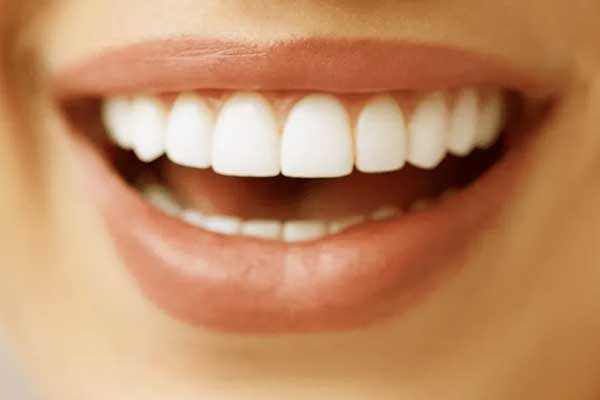
If you’re considering dental treatment in Turkey, you’ve probably asked yourself the same question thousands of others are asking: do Turkey teeth look fake? The internet is flooded with dramatic before-and-after photos, but behind those filtered smiles lies a growing concern about the Turkey teeth fake aesthetic that’s become impossible to ignore.
In this comprehensive guide, we answer the question “do Turkey teeth look fake?” honestly and thoroughly. We’ll explore why some veneer treatments in Turkey produce stunning, natural results while others create the dreaded “Chiclet” look. You’ll learn how to spot the difference between quality work and cheap imitations, understand the science behind why Turkey teeth appear unnaturally white, and discover exactly how to ensure your own smile looks authentic — not artificial.
Whether you’re researching full mouth veneer makeovers or simply curious about the Turkey teeth fake phenomenon, this guide covers everything from material choices to dentist selection, with real examples and expert advice to protect your smile investment.
What Does “Fake Turkey Teeth” Actually Mean?
When people ask “do Turkey teeth look fake?”, they’re usually referring to a specific set of visual characteristics that signal poor-quality dental work:
The “Turkey Teeth Fake” Checklist
Table
| Feature | Natural-Looking Teeth | Fake-Looking Turkey Teeth |
|---|---|---|
| Color | Subtle variations, slight translucency | Uniform, opaque, “toilet bowl white” |
| Shape | Slight imperfections, rounded edges | Perfectly square, identical “Chiclet” shape |
| Size | Proportional to face and lips | Too large or too small for facial features |
| Alignment | Minor natural variations | Perfectly straight, unnaturally uniform |
| Texture | Natural enamel gloss with depth | Flat, overly shiny, plastic-like appearance |
| Gum Line | Follows natural contour | Straight, unnatural gum line |
The term “Turkey teeth” has become internet shorthand for this artificial aesthetic — but the reality is more nuanced. Not all dental work in Turkey looks fake. The problem arises when clinics prioritize speed and cost over artistry and customization.
Why Do Some Turkey Teeth Look Fake? The 6 Main Reasons
1. The “One Shade Fits All” Approach
The Problem: Many budget clinics use BL1 (Bleach Light 1) — the whitest possible shade — for every single patient, regardless of their natural coloring, age, or skin tone.
Why It Looks Fake:
- Natural teeth aren’t uniformly white
- BL1 doesn’t exist in nature — it’s a laboratory-created shade
- Extreme whiteness creates harsh contrast with skin tones
- Older patients with BL1 teeth look particularly unnatural
The Solution: Quality clinics use customized shade selection based on:
- Natural tooth color
- Skin undertones (warm vs. cool)
- Eye color
- Age and lifestyle
- Patient preference (within realistic bounds)
Expert Tip: The best shade isn’t the whitest — it’s the one that looks like it belongs in your mouth.
2. Identical, Cookie-Cutter Shapes
The Problem: Mass-produced veneers or crowns with identical dimensions create the dreaded “piano key” or “Chiclet” appearance.
Why It Looks Fake:
- Natural teeth have unique shapes and slight variations
- Central incisors should be slightly larger than lateral incisors
- Canines should have pointed tips, not flat edges
- Each tooth should follow the natural “smile line” curve
The Solution: Custom-designed restorations that consider:
- Facial symmetry and proportions
- Lip line and gum display
- Gender-specific tooth shapes (feminine vs. masculine)
- Individual tooth position and angle
3. Poor Translucency and Opacity
The Problem: Cheap materials or rushed laboratory work produce restorations that block all light transmission.
Why It Looks Fake:
- Natural enamel is translucent — light passes through the edges
- Quality ceramics mimic this “inner glow”
- Opaque restorations look flat and lifeless
- No depth or dimension to the tooth appearance
The Solution: Premium materials like e.max (IPS) and feldspathic porcelain offer:
- Natural light transmission
- Depth and dimension
- “Vital” appearance that mimics real teeth
- Customized translucency mapping
4. Incorrect Tooth-to-Face Proportions
The Problem: Teeth that don’t match the patient’s facial features create immediate visual disharmony.
Why It Looks Fake:
- Too large: “Horsey” appearance, excessive gum display
- Too small: “Gummy” smile with excessive gum visibility
- Too long: “Bucky” rabbit-like appearance
- Too short: Aging, worn-down look
The Solution: The “Golden Proportion” and digital smile design:
- Central incisor width should be approximately 1/16th of facial width
- Tooth length should follow the lower lip curvature
- Digital mock-ups allow preview before commitment
5. Overly Perfect, Symmetrical Alignment
The Problem: Perfectly straight, identical teeth with no natural variation look artificial.
Why It Looks Fake:
- Natural smiles have minor rotations and overlaps
- Slight variations in tooth height create character
- “Perfect” alignment screams “dental work”
- Midline discrepancies (when minor) can look natural
The Solution: Skilled cosmetic dentists intentionally incorporate:
- Micro-rotations (1-2 degrees)
- Slight height variations between teeth
- Natural contact points rather than perfectly closed gaps
- Characterization that mimics natural enamel patterns
6. Cheap Materials and Rushed Laboratory Work
The Problem: Low-cost clinics use inferior materials and high-speed production to maximize profit.
Why It Looks Fake:
Table
| Material | Cost | Appearance | Durability |
|---|---|---|---|
| Composite Resin (cheap) | $50-100/tooth | Plastic-like, stains easily | 3-5 years |
| Zirconia (basic) | $150-250/tooth | Opaque, chalky | 10-15 years |
| e.max (IPS) | $300-500/tooth | Natural translucency | 10-15 years |
| Feldspathic Porcelain | $400-600/tooth | Most natural, delicate | 7-10 years |
The Solution: Invest in quality materials. The difference between basic zirconia and premium e.max is immediately visible — and worth every penny.
Do Turkey Teeth Look Fake in Photos vs. Real Life?
The Social Media Deception
Turkey teeth fake appearances are often amplified by photography techniques:
Table
| Technique | Effect on Appearance |
|---|---|
| Ring lights | Eliminates shadows, enhances whiteness |
| Filters (Instagram/TikTok) | Automatic teeth whitening and smoothing |
| Angled shots | Hides imperfections, emphasizes alignment |
| Close-up cropping | Removes facial context that reveals proportions |
| Before/after lighting differences | Makes “after” appear dramatically better |
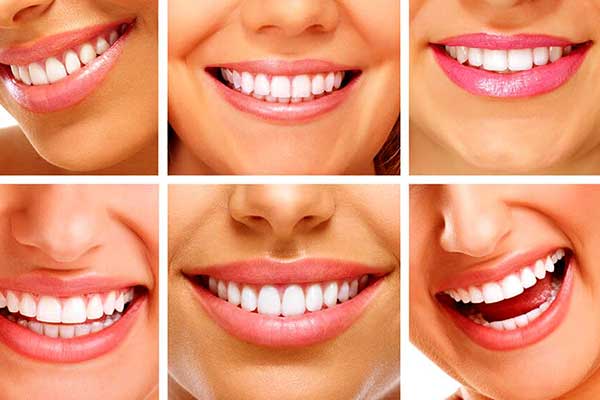
Reality Check: Many smiles that look stunning on Instagram appear noticeably artificial in person — especially in natural daylight or when the person is talking and expressing emotions.
The “Uncanny Valley” of Dental Work
The uncanny valley concept applies to smiles: the closer something gets to perfect without quite achieving it, the more unsettling it appears.
- Slightly imperfect natural teeth = Attractive and trustworthy
- Moderately improved teeth = Attractive and believable
- Overly perfect teeth = Suspicious and artificial
This is why subtle enhancements often look better than dramatic transformations.
How to Ensure Your Turkey Teeth DON’T Look Fake
Step 1: Choose a Cosmetic Dentist, Not Just a Dentist
General dentists fix teeth. Cosmetic dentists create art. Look for:
- Portfolio of before/after cases (not just stock photos)
- Digital smile design capabilities
- Membership in cosmetic dental organizations
- Artistic background or training
- Patient testimonials with real photos
Step 2: Demand a Digital Mock-Up
Before any tooth preparation:
- 3D digital preview of your expected results
- Photo simulation on your actual face
- Wax-up or composite mock-up in your mouth
- Adjustment opportunity before commitment
Red Flag: Any clinic that won’t show you a preview before drilling is a clinic to avoid.
Step 3: Insist on Custom Shade Selection
The Shade Selection Process Should Include:
- Natural light evaluation (not just clinic lighting)
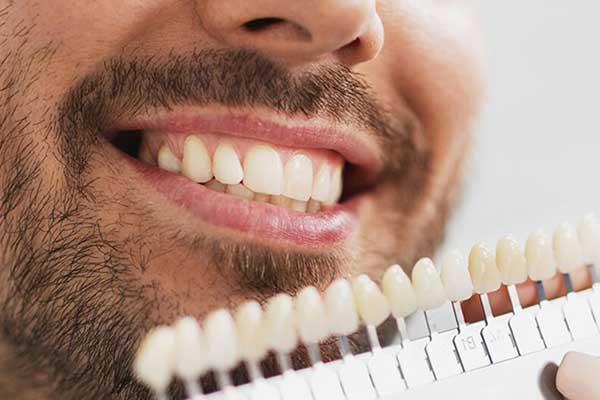
- Multiple shade tabs held against your face
- Photographic documentation of shade choice
- Patient approval before laboratory fabrication
- Try-in appointment with temporary cement
Step 4: Request Characterization
Natural teeth aren’t perfect. Ask your dentist to incorporate:
- Minor color gradients (darker at gum line, lighter at edge)
- Translucency at incisal edges
- Surface texture (micro-pitting that mimics enamel)
- Minor “imperfections” that add realism
Step 5: Prioritize Conservative Preparation
The less natural tooth removed, the better the result:
- Minimal-prep veneers: 0.3-0.5mm removal
- Traditional veneers: 0.5-0.7mm removal
- Crowns: 1.5-2.0mm removal (most aggressive)
Key Point: More tooth removal = thicker restoration = more artificial appearance. Whenever possible, choose minimal-prep options.
Real Examples: Fake vs. Natural-Looking Turkey Teeth
Example 1: The “Instagram Smile” (Fake)
Characteristics:
- Shade BL1 across all 20 teeth
- Perfectly square, identical shapes
- No translucency
- Straight, unnatural gum line
- “Toilet bowl white” appearance
Patient Feedback: “I loved them in photos, but in person everyone asks if they’re fake. I feel self-conscious talking or laughing.”
Example 2: The “Natural Enhancement” (Realistic)
Characteristics:
- Shade B1 with subtle variation
- Custom shapes matching facial features
- Natural translucency at edges
- Soft, feminine tooth shapes
- Slight rotations adding character
Patient Feedback: “People compliment my smile but don’t realize I had work done. That’s exactly what I wanted.”
The Cost of Fake-Looking vs. Natural-Looking Turkey Teeth
Table
| Feature | Budget “Fake” Look | Premium Natural Look |
|---|---|---|
| Material | Basic zirconia or composite | e.max or feldspathic porcelain |
| Shade | BL1 only | Customized, natural variation |
| Design | Stock shapes | Custom-designed per tooth |
| Laboratory | High-volume, rushed | Artisan, detailed work |
| Dentist Time | Minimal consultation | Extensive planning and mock-ups |
| Cost (Full Mouth) | $2,500-4,000 | $5,000-8,000 |
| Longevity | 5-10 years | 10-15+ years |
| Satisfaction | Mixed, often requires redo | High, long-term satisfaction |
The Truth: The “cheap” option often costs more in the long run when you factor in replacements, corrections, and emotional dissatisfaction.
Frequently Asked Questions (FAQ)
Do Turkey teeth look fake by default?
No. The Turkey teeth fake look is not inevitable — it’s the result of poor clinic selection, rushed work, cheap materials, and unrealistic expectations. Many Turkish clinics produce stunning, natural-looking results that are indistinguishable from high-end work in London or New York. The key is choosing a clinic that prioritizes artistry over speed.
How can I tell if my Turkey teeth will look fake before I commit?
Demand these before any work begins: (1) Digital smile design showing your expected results on your actual face, (2) Wax-up or composite mock-up in your mouth, (3) Shade selection with natural light, (4) Portfolio of the dentist’s real cases, and (5) Written treatment plan with material specifications. If a clinic refuses any of these, walk away.
Why do some Turkey teeth look fake on TikTok and Instagram?
Social media amplifies the fake look through: ring lights that eliminate natural shadows, filters that auto-whiten teeth, angled photography that hides imperfections, and selective posting (only the most dramatic results get shared). Additionally, the patients most likely to post are often those who wanted the most dramatic transformation — which correlates with the most artificial appearance.
Can fake-looking Turkey teeth be fixed?
Yes, but it’s expensive and complex. Options include: (1) Veneer replacement with better materials and design ($3,000-8,000), (2) Gum contouring to improve gum line aesthetics ($500-2,000), (3) Composite bonding to add characterization ($200-500/tooth), or (4) Full redo in extreme cases ($5,000-15,000). Prevention is far cheaper than correction.
What shade should I choose to avoid the fake look?
Avoid BL1 (the whitest shade) unless you naturally have very light coloring. Most patients look best with B1 or A1 — bright and attractive without screaming “dental work.” Request natural variation between teeth rather than uniform color, and ask for translucency at the edges to mimic real enamel.
Do all full mouth veneers in Turkey look fake?
Absolutely not. Full mouth veneers can look stunningly natural when done correctly. The fake look results from: identical shapes across all teeth, extreme uniform whiteness, poor proportions, and lack of customization. Quality full mouth work requires individual tooth design, not mass production.
How do I find a Turkish dentist who won’t make my teeth look fake?
Look for these qualifications: (1) Cosmetic dentistry specialization (not just general dentistry), (2) Digital smile design technology, (3) Extensive before/after portfolio with real patient photos, (4) Custom laboratory partnership (not mass production), (5) Patient reviews mentioning “natural” results, and (6) Willingness to say “no” to unrealistic requests.
Is the Turkey teeth fake look just a matter of personal preference?
Partially, but not entirely. Some patients genuinely want the bold, dramatic look — and that’s valid if it’s an informed choice. However, many patients end up with fake-looking teeth because they weren’t educated about their options. A good dentist will explain the difference between “Hollywood white” and “naturally beautiful” and help you choose based on your lifestyle and preferences.
Conclusion: Your Smile, Your Choice
So, do Turkey teeth look fake? The honest answer is: sometimes — but they don’t have to.
The Turkey teeth fake aesthetic is a choice, not a destiny. It’s the result of:
- ❌ Prioritizing cost over quality
- ❌ Choosing speed over customization
- ❌ Demanding extreme whiteness without understanding consequences
- ❌ Failing to research your dentist’s artistic capabilities
Natural-looking Turkey teeth are absolutely achievable when you:
- ✅ Invest in quality materials and skilled dentists
- ✅ Demand customization and natural characterization
- ✅ Choose conservative, minimal-prep techniques when possible
- ✅ Prioritize facial harmony over trend-following
- ✅ View mock-ups and approve designs before work begins
Your smile is one of your most important features — and one of the hardest to hide if you’re unhappy with it. Take the time to choose wisely, and your Turkey teeth will be something you’re proud to show off, not something you feel compelled to explain.
Final Thought: The best compliment you can receive isn’t “Your teeth are so white!” — it’s “You have a beautiful smile.” The difference is subtle but profound.
Related Articles
- Why Are Turkey Teeth So White? — The science behind extreme whiteness and how to choose the right shade
- What Can Go Wrong with Turkey Teeth — Risks, complications, and how to avoid dental tourism disasters
- Veneers in Turkey — A complete guide to veneer types, procedures, and achieving natural results
- Full Mouth Veneers Turkey — Complete smile transformations and how to ensure natural-looking outcomes
- Veneers Cost in Turkey — Understanding pricing, materials, and the true cost of quality vs. cheap work
- Teeth Whitening in Turkey — Professional whitening options that enhance your natural smile
- Hollywood Smile Design — Our approach to creating smiles that are beautiful AND believable
- How to Choose a Dental Clinic in Turkey — Your complete checklist for finding a dentist who prioritizes natural aesthetics
About Dentist Haifa
At Dentist Haifa, we believe the best dental work is the kind nobody notices. Our Istanbul clinic specializes in natural-looking smile design that enhances your features without overwhelming them. We use premium materials, digital smile design technology, and artistic customization to ensure your smile looks like it belongs to you — not like it came from a catalog.
Worried about the fake look?
Contact us for a free virtual smile consultation and see your customized, natural-looking smile design before you commit to anything.
Disclaimer: This article is for informational purposes only and does not constitute medical advice. Always consult with a qualified dental professional before making treatment decisions.