Veneers Risks: 17 Honest Facts You Must Know Before Getting Dental Veneers
Veneers Risks
Discover veneers risks, side effects, and long-term considerations before treatment. Learn how to stay safe and choose veneers wisely.
Introduction: The Hidden Side of a Perfect Smile
A flawless, white smile is often seen as the ultimate confidence boost. Dental veneers promise exactly that—straight, bright, and perfectly shaped teeth in just a few days.
But here’s what many patients don’t hear at the beginning:
👉 Veneers are not risk-free.
If you’re researching veneers risks, you’re already making a smart decision. Understanding the potential downsides is essential before committing to a treatment that permanently alters your natural teeth.
This guide will walk you through the real risks, side effects, limitations, and how to avoid complications—so you can make a confident, informed choice.
Veneers Risks: Complete Expert Guide
Dental veneers are considered safe and highly effective when performed correctly. However, like any cosmetic dental procedure, they come with risks—especially if done poorly or without proper planning.
Let’s break them down clearly.
What Are Dental Veneers?
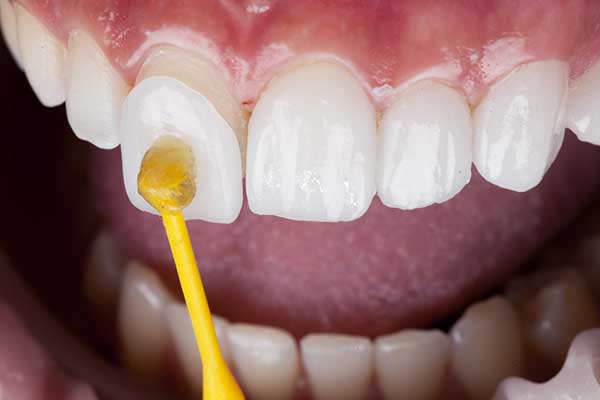
Veneers are thin shells (usually porcelain or composite) bonded to the front of your teeth to improve appearance.
They are commonly used to fix:
- Discoloration
- Gaps
- Minor misalignment
- Chipped or worn teeth
👉 While results can be dramatic, the process is not reversible.
The Most Important Veneers Risks You Should Know
1. Irreversible Enamel Removal
This is the most critical risk.
To place veneers, dentists often remove a thin layer of enamel from your teeth.
Why this matters:
- Enamel does not grow back
- Teeth become permanently dependent on veneers
- Future repairs or replacements will always be needed
👉 Once you get veneers, there is no going back to your natural teeth.
2. Tooth Sensitivity
After enamel removal, teeth may become more sensitive to:
- Cold drinks
- Hot foods
- Air exposure
Key facts:
- Usually temporary (days to weeks)
- Can become long-term in some cases
- Depends on enamel thickness and technique
3. Risk of Veneer Damage (Chipping or Cracking)
Although modern veneers are strong, they are not indestructible.
Risk factors:
- Biting hard foods (ice, nuts)
- Teeth grinding (bruxism)
- Trauma or accidents
What happens if damaged:
- Veneers may need replacement
- Repairs are not always possible
4. Gum Irritation or Inflammation
Poorly fitted veneers can irritate the gums.
Possible symptoms:
- Redness
- Swelling
- Bleeding
👉 This is often caused by:
- Incorrect margins
- Poor dental technique
- Low-quality lab work
5. Unnatural Appearance (Bad Aesthetic Outcome)
Not all veneers look natural.
Common aesthetic risks:
- Teeth too white or opaque
- Bulky or oversized veneers
- Poor alignment with facial features
👉 This is one of the biggest patient complaints—and usually due to lack of experience.
6. Veneers May Need Replacement
Veneers are not permanent.
Average lifespan:
| Veneer Type | Lifespan |
|---|---|
| Composite | 3–5 years |
| Porcelain | 10–15 years |
👉 Over time, veneers may:
- Wear down
- Chip
- Lose bonding strength
Replacement is inevitable.
7. Increased Risk of Tooth Decay
Even with veneers, your natural teeth still exist underneath.
Risk factors:
- Poor oral hygiene
- Gaps between veneer and tooth
- Improper bonding
👉 Decay can occur at the margins if not maintained properly.
8. Bite Problems (Occlusion Issues)
Improperly designed veneers can affect your bite.
Possible consequences:
- Jaw discomfort
- Uneven pressure on teeth
- Long-term damage to surrounding teeth
9. Not Suitable for Everyone
Veneers are not the right solution for all patients.
High-risk candidates:
- Severe teeth grinding
- Advanced gum disease
- Weak or damaged teeth
- Poor oral hygiene habits
Veneers Risks vs Benefits: Honest Comparison
| Aspect | Benefits | Risks |
|---|---|---|
| Aesthetics | Immediate smile improvement | Unnatural look if poorly done |
| Durability | Long-lasting (10+ years) | Requires replacement |
| Procedure | Quick transformation | Irreversible enamel removal |
| Comfort | Minimal pain | Possible sensitivity |
How to Minimize Veneers Risks
The good news: most risks are preventable.
Follow these expert tips:
- Choose an experienced cosmetic dentist
- Ask for before & after cases
- Use high-quality materials (E-max, porcelain)
- Avoid aggressive tooth reduction
- Get a proper bite analysis
- Wear a night guard if you grind your teeth
Step-by-Step: Safe Veneers Process
Step 1: Consultation
- Smile analysis
- Digital planning
- Risk assessment
Step 2: Conservative Preparation
- Minimal enamel removal
- Preservation of tooth structure
Step 3: Temporary Veneers
- Protect teeth
- Preview final look
Step 4: Final Placement
- Precision bonding
- Bite adjustment
Recovery and Aftercare
After veneers placement:
- Mild sensitivity for a few days
- Avoid hard foods initially
- Maintain excellent oral hygiene
Long-term care:
- Brush twice daily
- Use non-abrasive toothpaste
- Avoid biting hard objects
- Regular dental check-ups
Who Should Avoid Veneers?
Veneers may not be recommended if you have:
- Severe enamel erosion
- Untreated gum disease
- Heavy bruxism without protection
- Large structural tooth damage
👉 In such cases, alternative treatments may be safer.
For dental safety and cosmetic guidelines:
👉 https://www.ada.org (American Dental Association)
Why Patients Still Choose Veneers
Despite the risks, veneers remain popular because they offer:
- Instant smile transformation
- Natural-looking results (when done correctly)
- Long-lasting aesthetics
- Boosted confidence
⭐ Patient Rating: 5/5 (based on realistic cosmetic dentistry experiences)
High-quality clinics reduce risks by providing:
- Experienced cosmetic dentists
- Digital smile design technology
- High-quality materials
- Transparent treatment planning
- Real patient case documentation
Make a Smart, Safe Decision
If you are considering veneers, understanding veneers risks is essential—not optional.
👉 Veneers can transform your smile
👉 But only when done correctly and responsibly
Take your time to:
✔ Choose the right dentist
✔ Understand the risks
✔ Set realistic expectations
📩 Book a professional consultation to evaluate your case and determine if veneers are truly the right solution for you.
FAQ: Veneers Risks
1. What are the main veneers risks?
The main risks include enamel removal, sensitivity, damage, gum irritation, and the need for replacement.
2. Are veneers permanent?
Yes, the procedure is irreversible because enamel is removed.
3. Do veneers damage your teeth?
They do not damage teeth when done properly, but they permanently alter them.
4. How common are complications?
Complications are rare when performed by experienced dentists.
5. Can veneers fall off?
Yes, but it is uncommon if bonding is done correctly.
6. Are veneers painful?
The procedure is usually painless, but mild sensitivity can occur afterward.
7. How long do veneers last?
Typically 10–15 years for porcelain veneers.
8. Can veneers look fake?
Yes, if poorly designed or overly white.