How to Avoid Turkey Teeth Gone Wrong: The 2026 Patient Safety Guide
How to Avoid Turkey Teeth Gone Wrong
If you have spent any time on TikTok or Instagram researching dental tourism, you have likely seen the viral horror stories. Young patients sitting in dentist chairs, opening their mouths to reveal their natural teeth aggressively filed down to tiny, pointy pegs, often referred to as “shark teeth.” Days later, they are shown crying in pain, dealing with nerve damage, severe infections, or unnatural, glowing-white teeth that look completely fake.
These viral videos have sparked massive fear, leaving thousands of potential patients asking one critical question: how to avoid Turkey teeth gone wrong?
The truth is, Turkey is home to some of the most advanced, technologically superior dental clinics in the world. Thousands of patients travel there every year and return with beautifully crafted, medically sound smiles. The “botched” results you see online are entirely preventable. They are the result of uninformed patients falling prey to unethical “factory clinics” that prioritize profit over biological health.
In this comprehensive, medically grounded 2026 guide, we will dissect exactly what causes these dental disasters, explain the vital difference between crowns and veneers, and provide you with an actionable, step-by-step checklist on how to protect your smile and your health.
Understanding the Root of the Problem
To understand how to prevent a medical disaster, you first need to understand the mechanics of what can go wrong with Turkey teeth. The core issue almost always boils down to one catastrophic medical decision: inappropriate aggressive tooth preparation.
The Crowns vs. Veneers Deception
The most common reason for dental tourism gone wrong is a bait-and-switch regarding the treatment protocol.
When a patient wants a cosmetic smile makeover, the medically correct treatment is usually Porcelain Veneers. A veneer is a whisper-thin shell of porcelain (like E-Max) that bonds to the front surface of the tooth. To place a veneer, a highly skilled dentist only needs to remove a microscopic layer of enamel (about 0.3mm to 0.5mm). The tooth remains almost entirely intact, healthy, and vital.
However, many low-budget clinics perform Full Dental Crowns instead of veneers, while still advertising them as “veneers.” To fit a crown, the dentist must shave the tooth down by 60% to 70%, turning it into a tiny peg.
Why do bad clinics do this?
Because creating and placing full crowns is much faster, requires far less artistic skill, and covers up any underlying bite issues without having to fix them properly. Shaving a perfectly healthy tooth into a peg to achieve a cosmetic result is considered medical malpractice by top-tier professionals. It leads to irreversible nerve exposure, root canals, and chronic pain.
If you want to read real-world examples of these clinical errors, explore our breakdown of when have Turkey teeth gone wrong.
The 7-Step Checklist: How to Avoid Turkey Teeth Gone Wrong
Protecting yourself requires diligence before you ever board a flight. If you follow this rigorous seven-step checklist, you will virtually eliminate the risk of a botched procedure.
Step 1: Never Let a Dentist Shave Healthy Teeth into Pegs
As established, if your teeth are generally healthy and you merely want to improve their shape or color, you need veneers, not crowns. Before you agree to any treatment plan, force the clinic to put in writing whether they are performing veneers or crowns. Ask them specifically: “What percentage of my natural tooth structure will be removed?” If they casually mention filing your teeth down to pegs, walk away immediately.
Step 2: Demand Absolute Material Transparency
Low-quality clinics save money by using cheap, opaque materials like Porcelain-Fused-to-Metal (PFM) or low-grade acrylics, which look bulky and artificial. This is the primary reason patients often wonder do Turkey teeth look fake.
You must insist on premium, globally recognized materials. For a cosmetic smile makeover, the gold standard is Lithium Disilicate (E-Max) for the front teeth, or high-grade Zirconia if you need stronger restorations in the back. Ask the clinic to confirm the brand of the materials (e.g., Ivoclar Vivadent) and request a certificate of authenticity after the procedure.
Step 3: Check for Accreditations and Board Certifications
Do not assume that every person wearing scrubs is a highly qualified specialist. To ensure clinical safety, you must verify the facility and the doctor.
- The Clinic: Look for international accreditations such as the Joint Commission International (JCI) or ISO certifications. The clinic must hold a Health Tourism Authorization Certificate from the Turkish Ministry of Health.
- The Dentist: Ensure your doctor is registered with the Turkish Dental Association (TDB). For complex work, they should be a registered Prosthodontist (specialist in tooth restoration) or a Maxillofacial Surgeon, not just a general dentist.
If you are unsure where to start your vetting process, we have compiled a detailed guide on how to choose a dental clinic in Turkey.
Step 4: Beware of Suspiciously Cheap Package Prices
Pricing is the ultimate trap for unsuspecting patients. While Turkey is significantly cheaper than the UK or the US, premium dentistry still has a baseline cost. Genuine E-Max blocks, modern CAD/CAM milling machines, and expert doctors cost money.
If a clinic is offering you 20 “veneers” and a luxury hotel for £1,500 ($1,900), you are in the danger zone. At that price point, it is mathematically impossible for the clinic to use genuine premium materials or dedicate the necessary chair-time to a careful, conservative procedure. They are relying on high-volume, rush jobs to turn a profit. A safe, high-quality full smile makeover (20 teeth) in Turkey should cost between £4,000 and £6,500 ($5,000 – $8,000).
Step 5: Insist on Pre-Op 3D Scans and Diagnostics
A reputable dentist will never touch a drill to your teeth without knowing exactly what is happening beneath your gums. A basic panoramic X-ray is often not enough. A safe clinic will utilize a 3D CBCT (Cone Beam Computed Tomography) scanner to check for hidden root infections, assess bone density, and ensure your teeth can safely support the restorations. If a clinic tries to skip the diagnostic phase and rush you straight into the chair, refuse treatment.
Step 6: Avoid the “One Day Smile” Trap
Proper dentistry takes time. To ensure optimal bite alignment and gum health, you need a trial phase. Safe clinics will prepare your teeth, place temporary restorations, and give your gums time to settle while the lab crafts your permanent teeth. You should have a “try-in” appointment where the permanent restorations are temporarily placed so you can test your bite and aesthetics. Rushing this process into a 24-hour turnaround drastically increases the risk of malocclusion (a bad bite) which leads to TMJ (jaw joint) pain and cracked porcelain.
Step 7: Explore Conservative Alternatives First
Sometimes, the safest way to avoid a disaster is to realize you don’t need invasive surgery at all. If your main issue is crowding or discoloration, you might be better suited for clear aligners (like Invisalign) followed by professional teeth whitening and composite edge bonding. Before committing to shaving your enamel, explore what is the alternative to Turkey teeth.
Recognizing the Red Flags of an Unsafe Clinic
When communicating with clinics via WhatsApp or email, pay close attention to how they interact with you. Here are the major red flags indicating a high-risk environment:
- High-Pressure Sales: They tell you a massive discount expires in 24 hours to force a deposit. Medical decisions should never be rushed.
- Diagnosis Without Data: They promise you 24 veneers simply by looking at a smartphone selfie, without ever asking for an X-ray.
- The “Hollywood White” Push: They pressure you into choosing the absolute brightest, unnatural shade of white (often called BL1), ignoring natural translucency and facial harmony.
- Vague Communication: The patient coordinator evades direct medical questions or refuses to let you speak directly with the dentist before booking.
The Biological Risks of Bad Dentistry
Understanding how to avoid Turkey teeth gone wrong requires acknowledging the severe biological consequences of poor treatment. If you fall into the hands of an unethical clinic, you are not just risking an ugly smile; you are risking your physical health.
When teeth are over-prepared (shaved too deeply), the pulp (the nerve center of the tooth) becomes traumatized. This can lead to:
- Pulpitis: Severe, throbbing pain caused by inflammation of the dental nerve.
- Root Canal Therapy: The traumatized nerve dies, requiring expensive and painful root canals on multiple teeth.
- Gum Disease (Periodontitis): If crowns or veneers are bulky and over-contoured, they create a ledge near the gumline that traps food and plaque, leading to chronic bleeding gums, bone loss, and eventually, tooth loss.
- Bite Misalignment: Incorrectly shaped teeth can alter the way your jaw closes, leading to chronic headaches, neck pain, and the fracturing of your new porcelain teeth.
To fully educate yourself on the potential downsides of even proper cosmetic work, read our honest breakdown of what is the bad side of getting veneers.
Price vs. Quality: A Realistic Comparison Table
To help you spot dangerous price points, here is a realistic look at what safe versus unsafe pricing looks like in Turkey for 2026.
| Treatment Type | “Red Flag” Danger Price | Safe, High-Quality Price | Why the Difference? |
| Full Set of Veneers (20 Teeth) | Under £2,000 / $2,500 | £4,000 – £6,000 | Safe pricing ensures E-Max materials, experienced master ceramists, and conservative tooth filing. |
| Full Set of Crowns (20 Teeth) | Under £1,500 / $1,900 | £3,500 – £5,000 | Cheap clinics use aggressive filing to fit low-grade, opaque PFM crowns rapidly. |
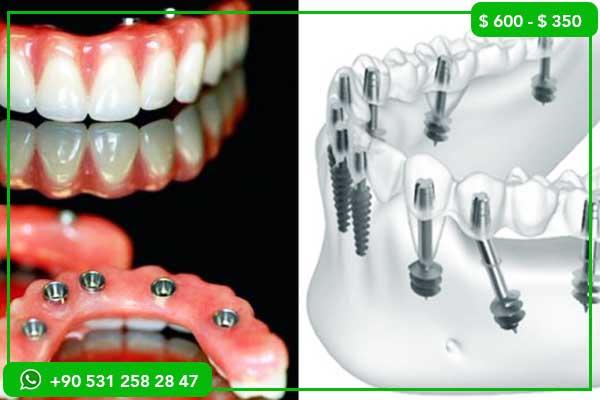
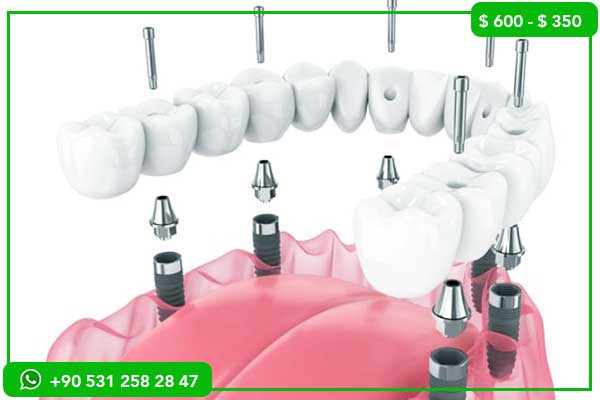
| All-on-4 Implants (Per Jaw) | Under £2,000 / $2,500 | £3,500 – £5,500 | Safe clinics use genuine Straumann/Nobel implants and 3D surgical guides, avoiding nerve damage. |
Trusting the Right Experts: Why You Must Do Your Homework
You hold the power to dictate your medical journey. If you still find yourself asking, is it safe to go to Turkey for dental work?, the answer remains a definitive yes—if you take responsibility for vetting your providers.
Do not choose a clinic based on Instagram followers or celebrity endorsements. Choose a clinic based on medical credentials, transparent treatment planning, and a commitment to biological preservation. A beautiful smile is worthless if it comes at the cost of your dental health.
Frequently Asked Questions (FAQs)
How to avoid Turkey teeth gone wrong?
To avoid botched results, never allow a clinic to shave healthy teeth into pegs (demand veneers instead of crowns), ensure the use of premium materials like E-Max, verify the dentist’s credentials, and avoid suspiciously cheap “budget” packages that rush the procedure.
Why do Turkish dentists shave teeth down to pegs?
Ethical, top-tier Turkish dentists do not shave healthy teeth into pegs. Only low-budget, unethical “factory clinics” do this because preparing teeth for full crowns is faster and requires less skill than carefully preparing teeth for conservative veneers.
Can Turkey teeth be fixed if they go wrong?
It depends on the damage. If teeth were aggressively shaved, the enamel is gone forever. A highly skilled prosthodontist can replace bulky, fake-looking crowns with better-fitting, natural-looking ones, but they cannot restore the lost natural tooth structure. Many teeth may also require root canals to stop nerve pain.
Are all teeth done in Turkey fake looking?
Absolutely not. When performed by a skilled specialist using high-grade Lithium Disilicate (E-Max) and proper layering techniques, teeth done in Turkey look incredibly natural, translucent, and beautiful. Fake-looking teeth are the result of patients choosing cheap clinics that use opaque, blocky materials.
Do I need a full mouth of crowns?
Usually, no. Unless your teeth are severely decayed, broken, or already have large fillings, you do not need crowns. If your natural teeth are relatively healthy and you only want to change their color and alignment, conservative veneers or clear aligners are the correct medical choice.
How do I know if a Turkish dental clinic is safe?
A safe clinic will hold a Health Tourism Authorization Certificate, utilize in-house 3D CBCT scanners, provide a written treatment plan outlining the exact materials being used, and employ dentists registered with the Turkish Dental Association.
Is it painful to get your teeth done in Turkey?
When performed correctly, the procedure is not painful. Local anesthesia is used during the tooth preparation phase. You may experience mild sensitivity to hot and cold for a few days after the procedure, which is normal and subsides quickly.
Should I trust cheap dental packages on Instagram?
No. Instagram is a marketing tool, not a medical database. Heavy filters and ring lights can make terrible dentistry look acceptable online. Always look past the social media marketing and verify the clinic’s medical accreditations and independent patient reviews on platforms like Trustpilot.
Secure Your Smile Safely Today
Your dental health is irreplaceable. Do not gamble with your smile by chasing the absolute lowest price point at the expense of clinical safety. By following this guide on how to avoid Turkey teeth gone wrong, you are equipping yourself to make an informed, confident decision.
At Dentist Haifa, we prioritize your long-term biological health above all else. We advocate for conservative, minimally invasive dentistry, ensuring that your natural teeth are preserved while achieving the aesthetic results you desire. We use only premium, globally certified materials, and our treatment plans are completely transparent.
Ready to explore what safe, world-class dental tourism actually looks like? Contact us today for a free, comprehensive consultation. Let our experts review your case, provide honest medical guidance, and help you plan a secure journey to a flawless, natural smile.